
Exploring Endangered Species in the Amazon Rainforest

Category: Amazon Wildlife & Conservation
Tags: Amazon rainforest, endangered species, Amazon wildlife, wildlife conservation, rainforest animals, endangered animals, Amazon biodiversity, jaguar, giant armadillo, tapir, harpy eagle, spider monkey
Focus Keyphrase: Endangered species in the Amazon rainforest
Suggested URL Slug: endangered-species-amazon-rainforest
Meta Description: Explore endangered and threatened wildlife in the Amazon rainforest and discover how habitat loss, hunting, climate change and conservation efforts are shaping their future.
Exploring Endangered Species in the Amazon Rainforest: Wildlife Fighting to Survive
The Amazon rainforest is one of the greatest wildlife habitats on Earth.
Behind its walls of green vegetation are rivers, wetlands, forests and enormous tree canopies supporting thousands of species. Some are familiar to people around the world, while others are so secretive that scientists rarely see them.
But the Amazon’s incredible biodiversity is facing growing pressure.
Deforestation, habitat fragmentation, illegal hunting, pollution, fires and climate change can make survival increasingly difficult for wildlife.
The International Union for Conservation of Nature, or IUCN, uses categories such as Vulnerable, Endangered and Critically Endangered to describe different levels of extinction risk.
In this article, we explore several remarkable Amazon species and the challenges they face.
1. The Jaguar: The Ghost of the Amazon
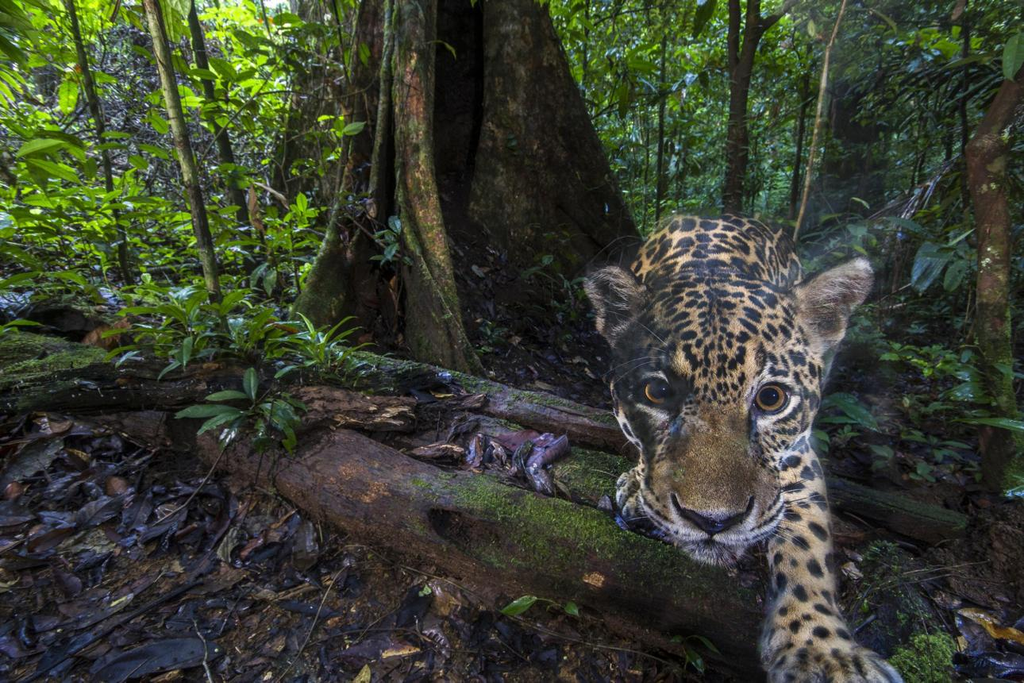
Few animals represent the Amazon more powerfully than the jaguar.
With its golden coat and dark rosettes, this large cat is one of the rainforest’s top predators. Jaguars need extensive territories where they can find prey, water and places to reproduce.
The problem is that forests are increasingly divided by roads, agriculture, mining and other human activities.
A jaguar may survive in one isolated patch of forest, but fragmented habitat can make movement and reproduction more difficult.
Protecting connected forests is therefore essential.
Camera traps have become an important conservation tool because they allow researchers to document jaguars without constantly disturbing them. Amazon Conservation says its monitoring programs have captured thousands of wildlife images and documented threatened and vulnerable species across the western Amazon.
Picture 1 — Alt Text: “Jaguar walking through dense Amazon rainforest habitat”
2. The Giant Armadillo: A Rare Forest Engineer

The giant armadillo is one of the Amazon’s most unusual mammals.
It is enormous compared with other armadillo species and possesses powerful claws designed for digging.
Yet despite its size, it is difficult to see.
Giant armadillos are generally solitary and can spend much of their time away from human observers.
Their digging behavior also gives them an ecological role beyond their own survival. Burrows can provide shelter for other animals, meaning one armadillo can indirectly create habitat for several other species.
Habitat destruction is a major concern because these animals need large areas of suitable forest.
Protecting remote forest landscapes can therefore benefit the giant armadillo and many other species living alongside it.
Picture 2 — Alt Text: “Giant armadillo searching for food on the Amazon rainforest floor”
3. The Lowland Tapir: A Giant Seed Disperser
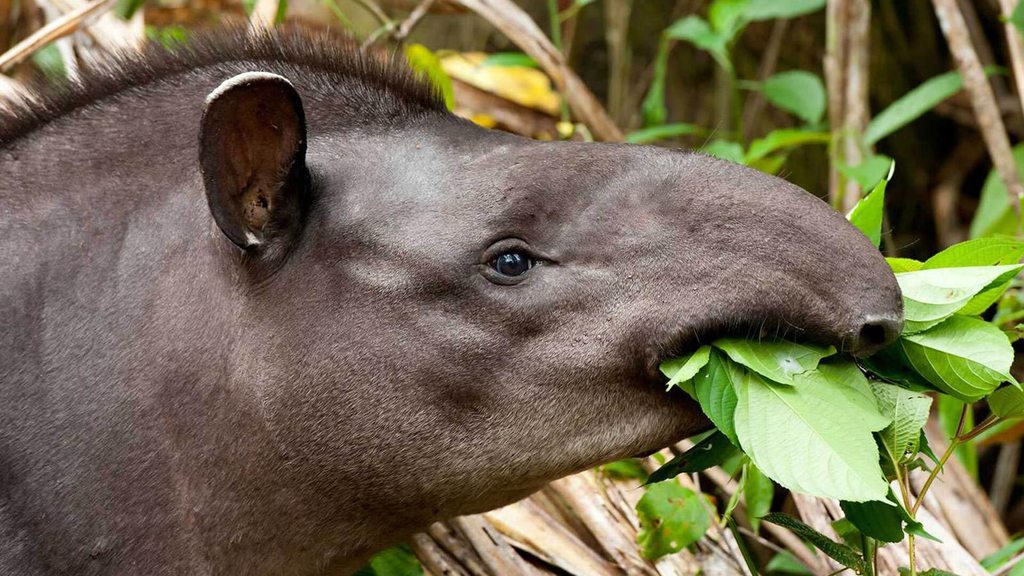
The lowland tapir may look slow and peaceful, but it plays an important role in the Amazon ecosystem.
Sometimes described as a forest gardener, the tapir eats large quantities of vegetation and fruit.
As it travels through the forest, it can transport seeds from one location to another.
This makes the animal part of the rainforest’s natural regeneration system.
Tapirs also use rivers and other water sources, making healthy forest and freshwater environments important to their survival.
When forests become fragmented or heavily disturbed, tapirs can lose access to important feeding and shelter areas.
Protecting large connected habitats is therefore one of the most important ways to help them.
Picture 3 — Alt Text: “Lowland tapir foraging beside a river in the Amazon rainforest”
4. The Harpy Eagle: A Predator of the Canopy

Far above the forest floor, another threatened Amazon icon watches from the trees.
The harpy eagle is among the largest and most powerful eagles in the Americas.
Its enormous talons are adapted for catching prey in the forest canopy.
But an animal at the top of the food chain needs a healthy ecosystem beneath it.
Large predators require suitable habitat and enough prey to survive.
When forests are cleared, the problem does not stop with the trees. The loss of vegetation can reduce prey populations and eliminate nesting areas.
The harpy eagle therefore represents an important conservation principle: protecting predators often means protecting the entire ecosystem supporting them.
Picture 4 — Alt Text: “Harpy eagle perched high in an Amazon rainforest tree”
5. The Black Spider Monkey and the Importance of the Canopy

The Amazon canopy is a world of its own.
Among its residents are spider monkeys, agile primates that move through branches searching for fruit and other foods.
Their long limbs and gripping tails help them travel through the treetops.
But canopy animals can be particularly vulnerable when forests are fragmented.
A road or cleared area may create a gap that is difficult or dangerous to cross.
When populations become isolated, animals may have fewer opportunities to interact with other groups.
This is why wildlife corridors are so important.
Keeping forest patches connected gives animals a better chance to move, find food and maintain healthy populations.
Picture 5 — Alt Text: “Black spider monkey moving through the Amazon rainforest canopy”
6. River Wildlife Faces a Different Kind of Threat

Not every endangered Amazon animal lives among trees.
The rivers are home to their own remarkable wildlife.
Fish, turtles, river dolphins and other aquatic species depend on healthy freshwater systems.
Pollution from mining and other activities can introduce contaminants into waterways. Changes to rivers can also affect breeding grounds and food supplies.
The Amazon Assessment Report highlights how deforestation, fires and mining can threaten biodiversity and damage ecosystem services across the basin.
This means rainforest conservation must include both land and water.
Protecting a forest while allowing its rivers to become heavily polluted would leave an important part of the ecosystem unprotected.
Picture 6 — Alt Text: “Amazon River wildlife living in a healthy freshwater ecosystem”

7. Why Camera Traps Are Changing Wildlife Conservation
One of the most exciting developments in Amazon conservation is the use of technology.
Camera traps can remain in forests for long periods and photograph animals automatically when they pass.
This allows researchers to study species that are difficult to observe directly.
Amazon Conservation reports deploying more than 100 camera traps and collecting more than 10,000 photographs and videos of mammals and birds in the western Amazon.
These images can reveal where animals live, how frequently they appear and how wildlife communities change over time.
For rare species, even one photograph can be valuable.
A single image may confirm that an animal is still using a particular forest.
Picture 7 — Alt Text: “Wildlife camera trap monitoring endangered animals in the Amazon rainforest”
What Is Putting Amazon Wildlife at Risk?
The threats facing Amazon animals are interconnected.
Habitat loss
When forests are cleared, animals lose feeding areas, nesting sites and shelter.
Fragmentation
A forest can remain on a map while being divided into isolated pieces. This can make movement and reproduction more difficult.
Hunting
Illegal hunting can reduce populations of large mammals and birds, particularly where wildlife is already under pressure.
Mining and pollution
Mining can damage forests and affect rivers, creating problems for both terrestrial and aquatic animals.
Climate change
Changing temperatures, rainfall patterns, drought and wildfire can alter habitats and food availability.
Amazon Conservation warns that continued deforestation is pushing the rainforest toward a potential ecological tipping point.
There Is Still Hope
The story of endangered Amazon wildlife is not only a story of decline.
Conservation projects are producing important results.
Protected areas can preserve large blocks of habitat.
Wildlife corridors can reconnect fragmented forests.
Indigenous communities play important roles in protecting Amazon landscapes.
Scientists are using camera traps, satellite monitoring and other technologies to understand changes in wildlife populations.
Perhaps most importantly, researchers continue discovering new information about the Amazon.
The more we understand these ecosystems, the better we can design conservation strategies.
What Can We Do?
Protecting Amazon wildlife requires action at many levels.
Governments can strengthen protected areas and environmental enforcement.
Scientists can continue monitoring threatened species.
Local communities can participate in sustainable conservation programs.
Consumers can also make choices that reduce pressure on forests, including supporting products and organizations committed to responsible sourcing and conservation.
There is no single solution.
The Amazon is too large and complicated for that.
But thousands of individual conservation efforts can combine to create meaningful protection.
Final Thoughts
The Amazon rainforest is not simply a collection of beautiful animals.
It is a living network.
Jaguars depend on prey.
Tapirs help distribute seeds.
Spider monkeys move through the canopy.
Harpy eagles depend on healthy forests.
Giant armadillos create shelter through their digging.
River animals depend on clean and functioning waterways.
When one part of the ecosystem is damaged, other species can feel the effects.
That is why protecting endangered species means protecting their habitats too.
The Amazon still contains some of the planet’s most extraordinary wildlife, and there is reason to hope.
But hope needs action.
Every protected forest, every wildlife corridor, every successful conservation project and every new scientific discovery can give Amazon animals another chance to survive.
The future of these species is still being written—and the decisions made today will help determine what that future looks like.
Amazing Facts About the Amazon’s Unique Wildlife
Category: Amazon Wildlife
Tags: Amazon Rainforest, Amazon Animals, Wildlife Facts, Rainforest Wildlife, Jaguar, River Dolphin, Electric Eel, Glass Frog, Hoatzin, Giant River Otter, Wildlife Conservation
Focus Keyphrase: Amazing facts about Amazon wildlife
SEO Title: Amazing Facts About the Amazon’s Unique Wildlife: 7 Amazing Animals
Meta Description: Discover amazing facts about Amazon wildlife, including jaguars, river dolphins, electric eels, glass frogs, hoatzins and giant river otters.
URL Slug: amazing-facts-amazon-unique-wildlife
Amazing Facts About the Amazon’s Unique Wildlife
Imagine walking beneath a wall of green so enormous that the sky almost disappears. Somewhere above you, a colorful bird calls from the canopy. Beneath the water, an electric eel is moving silently through the darkness. A jaguar may be resting several hundred meters away, while a tiny frog clings to a leaf almost impossible to see.
This is the Amazon Rainforest—a place where survival has produced some of the most remarkable animals on Earth.
The Amazon is considered one of the world’s richest ecosystems. The western Amazon alone is home to hundreds of mammal species, about 1,300 bird species, hundreds of reptiles and more than 400 amphibian species. Scientists are still discovering species and documenting wildlife in areas that remain difficult to explore.
Here are seven amazing facts that reveal why Amazon wildlife is so special.
1. Jaguars Are Surprisingly Comfortable Around Water

The jaguar is one of the Amazon’s most powerful predators, but its strength is not its only advantage.
Unlike many cats, jaguars are excellent swimmers. Rivers, streams and flooded forests do not necessarily form barriers for these animals. Instead, water can become part of their hunting environment.
Their muscular bodies, strong jaws and powerful limbs allow them to tackle prey that would be difficult for many other predators.
Jaguars also need large areas of connected habitat. Conservation organizations use camera traps to monitor them because their presence can provide valuable information about the condition of the surrounding ecosystem.
📸 Picture 1: Jaguar walking through dense Amazon rainforest near a river.
Alt text: Jaguar walking through the Amazon rainforest beside a river
2. Pink River Dolphins Live in a Completely Different World

The Amazon river dolphin is one of the most recognizable animals of South American rivers.
Its pinkish color is one of its most famous characteristics, although individuals can vary in appearance. More importantly, the dolphin is specially adapted to freshwater environments.
During periods of flooding, Amazon rivers can expand into surrounding forests. Trees that normally stand on dry ground may become surrounded by water, creating an enormous temporary underwater landscape.
River dolphins can move through these changing environments while searching for food. Their flexible bodies and necks help them maneuver through complicated waterways.
The seasonal transformation of the Amazon demonstrates something important: the lives of many animals are closely connected to the rhythm of rising and falling water.
📸 Picture 2: Pink river dolphin swimming through Amazonian freshwater.
Alt text: Pink Amazon river dolphin swimming through freshwater rainforest habitat
3. Electric Eels Have Their Own Biological Power System
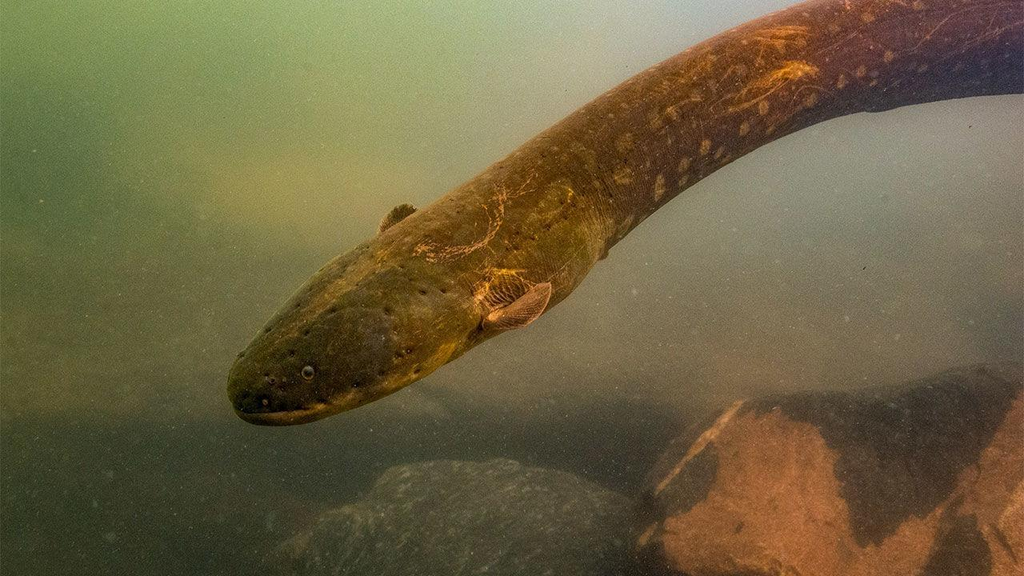
Few Amazon animals sound as extraordinary as the electric eel.
Electric eels can produce electrical discharges using specialized organs in their bodies. Electricity can help them hunt, defend themselves and sense their surroundings.
This ability becomes particularly useful in dark or muddy water where visibility is limited.
Instead of relying entirely on eyesight, an electric eel can interact with its environment using electrical signals. It is an incredible example of evolution producing a highly specialized survival strategy.
The animal’s name can also be misleading: despite being called an eel, electric eels are actually knifefish rather than true eels.
📸 Picture 3: Electric eel moving through dark Amazon river water.
Alt text: Electric eel swimming through dark Amazon freshwater
4. Glass Frogs Can Make Themselves Difficult to See

Deep in the rainforest, survival sometimes means becoming almost invisible.
Glass frogs are famous for their translucent bodies. In several species, parts of the underside can appear remarkably transparent, making these tiny amphibians difficult to detect against leaves and vegetation.
Their unusual appearance isn’t just beautiful—it can provide camouflage.
Many glass frogs are associated with vegetation near streams. Their small size and ability to blend into their surroundings demonstrate how even tiny rainforest animals can possess highly specialized adaptations.
When you look at a green leaf in the Amazon, there may be far more life on it than your eyes can detect.
📸 Picture 4: Tiny glass frog resting on a rainforest leaf.
Alt text: Transparent glass frog resting on a green Amazon rainforest leaf
5. The Hoatzin Looks Like a Bird From Another Era
The hoatzin is one of the strangest-looking birds in the Amazon.
It has a distinctive crest, unusual coloration and a digestive system adapted for a leaf-heavy diet. But the most fascinating feature appears when the birds are young.
Hoatzin chicks have claws on their wings. These claws can help young birds climb through vegetation when they are too small or vulnerable to fly effectively.
As the birds grow, the wing claws disappear.
The hoatzin is therefore a wonderful example of how an animal’s body can change as it moves through different stages of life.
Its unusual biology has fascinated scientists for generations and has helped make it one of the Amazon’s most memorable birds.
📸 Picture 5: Hoatzin perched among Amazon rainforest vegetation.
Alt text: Hoatzin bird perched on vegetation in the Amazon rainforest
6. Giant River Otters Have Strong Family Bonds
The giant river otter is another Amazon animal whose life is closely connected to freshwater.
These large otters are highly social and can live in family groups. They communicate with one another using different vocalizations and spend much of their time swimming, hunting and exploring waterways.
Their streamlined bodies and webbed feet make them excellent swimmers.
Healthy rivers and wetlands are particularly important for these animals. At the Los Amigos conservation area in southeastern Peru, researchers have documented thousands of species across a mosaic of forests, wetlands, oxbow lakes and waterways, including giant river otters.
Seeing a group of giant river otters moving together is a reminder that Amazon wildlife isn’t always about solitary survival. Cooperation can be just as important.
📸 Picture 6: Giant river otters swimming together in an Amazon river.
Alt text: Giant river otter family swimming together in an Amazonian river
7. Scientists Are Still Discovering Amazon Wildlife
Perhaps the most exciting fact about the Amazon is that the wildlife story is far from complete.
New species continue to be discovered, while modern technology is helping scientists find animals that are difficult to observe directly.
Camera traps are particularly valuable. They can operate day and night without requiring researchers to remain in the forest. Amazon Conservation reports that its camera-trap programs have produced more than 10,000 photographs and videos of dozens of mammal and bird species.
Some conservation areas have revealed an astonishing diversity. At the Los Amigos Biological Station in Peru, researchers have recorded more than 4,300 species across numerous taxonomic groups.
That means every expedition into the rainforest can potentially add another piece to our understanding of Amazon biodiversity.
📸 Picture 7: Wide Amazon rainforest scene showing forest canopy, river and wildlife.
Alt text: Amazon rainforest ecosystem with wildlife, river and dense tropical forest
Why Amazon Wildlife Is So Important
The animals of the Amazon are not isolated from one another.
Predators help regulate prey populations. Birds and mammals can spread seeds. Insects pollinate plants. Amphibians respond to changes in environmental conditions. Aquatic animals are connected to the health of rivers and wetlands.
Together, these relationships create a huge ecological network.
That is why protecting individual animals is only part of conservation. Protecting their habitats is equally important.
Conservation organizations are using protected areas, wildlife corridors, scientific research, camera traps and satellite monitoring to help maintain connected habitats. Corridors are particularly valuable because they allow animals to move between areas of suitable forest rather than becoming trapped in isolated patches.
A Rainforest Full of Secrets
The Amazon is often described as a rainforest, but that simple word hides an incredibly complicated world.
It is a place of towering trees, flooded forests, rivers, wetlands, caves, streams and countless smaller habitats. Each environment provides opportunities for different animals to survive.
A jaguar may dominate the forest floor. A hoatzin may occupy the branches. A glass frog may hide on a leaf. An electric eel may patrol the river below.
And somewhere in the enormous forest, there may be species that scientists have not yet documented.
That is what makes the Amazon so fascinating.
Its wildlife isn’t extraordinary because every animal is large or dangerous. It is extraordinary because evolution has produced countless different solutions to the challenge of staying alive.
From electricity and camouflage to swimming, climbing and social cooperation, Amazon animals have developed abilities that seem almost impossible.
Final Thoughts
The Amazon Rainforest remains one of the greatest wildlife treasures on Earth.
Its animals show us that nature does not follow a single formula for survival. Some species use strength. Others use intelligence, camouflage, cooperation or highly specialized biological abilities.
And the story continues.
As scientists explore more of the rainforest and use better technologies to monitor its wildlife, new discoveries are likely to change our understanding of this remarkable ecosystem.
The Amazon still has many secrets hidden beneath its leaves, within its rivers and high above its canopy—and every discovery gives us another reason to protect it.
Documentary Highlights: Conservation Efforts in the Amazon
Category: Amazon Conservation
Tags: Amazon Rainforest, Amazon Conservation, Wildlife Conservation, Rainforest Protection, Indigenous Communities, Wildlife Corridors, Environmental Protection, Amazon Animals, Deforestation, Conservation Technology
Focus Keyphrase: Conservation efforts in the Amazon
SEO Title: Conservation Efforts in the Amazon: How People Are Protecting the Rainforest
Meta Description: Discover how conservation efforts in the Amazon are protecting wildlife through Indigenous leadership, technology, wildlife corridors, canopy bridges and scientific research.
URL Slug: conservation-efforts-in-the-amazon
A New Story Is Being Written in the Amazon
When people imagine the Amazon Rainforest, they often picture endless green trees, colorful birds, jaguars moving silently through the forest and rivers filled with wildlife.
But behind those beautiful images is another story—one about people working every day to protect this extraordinary ecosystem.
Conservation in the Amazon is no longer based on a single solution. Scientists are using camera traps and satellites. Indigenous communities are protecting their territories. Governments are creating wildlife corridors. Researchers are building bridges that allow animals to cross roads safely.
Together, these efforts are creating a new kind of conservation story—one that combines traditional knowledge, modern technology and practical action.
Here are some of the most interesting conservation developments helping protect the Amazon.
1. Protecting the Amazon Means Connecting Forests

One of the biggest problems facing rainforest wildlife is fragmentation.
A forest may remain standing in one location while roads, farms and other development divide surrounding habitat into smaller pieces. For animals that need large territories, these isolated patches can become difficult or dangerous to navigate.
In July 2026, Ecuador officially recognized the Yasuní–Limoncocha–Cuyabeno Conservation Corridor, connecting more than 173,000 hectares of Amazon rainforest.
The corridor links three important protected areas: Yasuní National Park, Limoncocha Biological Reserve and Cuyabeno Wildlife Reserve. It also includes territories connected with Kichwa, Siona and Siekopai communities.
This approach is important because wildlife does not recognize human boundaries.
A jaguar does not know where one protected area ends. A monkey does not understand a political border. Animals need connected habitats where they can find food, mates and shelter.
📸 Picture 1: Aerial view of Amazon rainforest stretching between protected areas.
Alt text: Connected Amazon rainforest landscape protected for wildlife and local communities
2. Indigenous Communities Are Central to Conservation
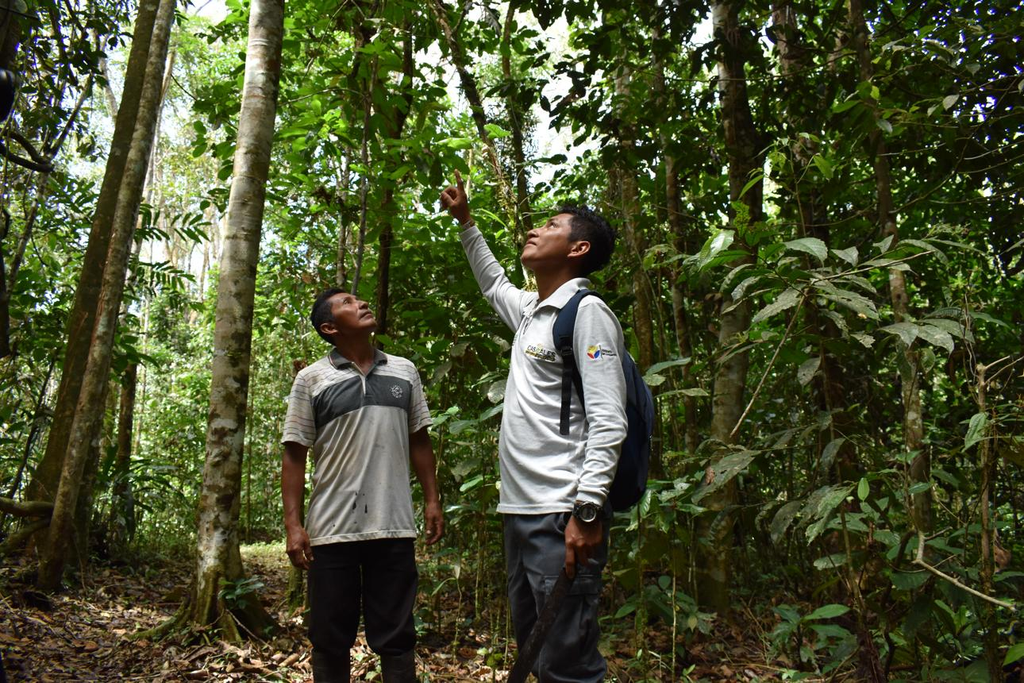
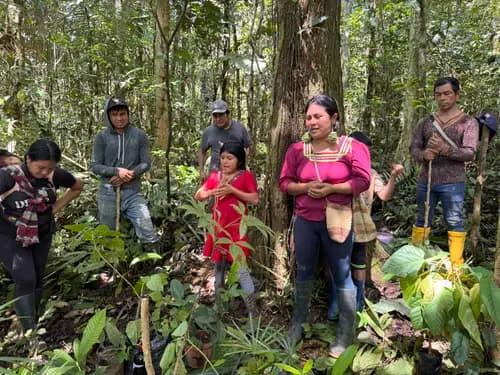
One of the most important parts of modern Amazon conservation is the role of Indigenous communities.
For generations, Indigenous peoples have developed detailed knowledge of their forests, rivers, plants and wildlife. Today, conservation programs increasingly combine this knowledge with scientific tools.
In Ecuador’s new corridor, Indigenous territories and communities are part of the broader conservation landscape. The corridor’s development involved consultations with local communities and includes participatory governance.
Elsewhere in the Amazon, Indigenous leaders are also being trained to use drones and other technologies to monitor their territories.
This creates an important shift.
Instead of conservation being something done only by outside researchers, local communities can become active participants in monitoring and protecting their own forests.
The result can be stronger local knowledge, faster responses to threats and greater community involvement.
📸 Picture 2: Indigenous community members walking through Amazon rainforest.
Alt text: Indigenous community members participating in Amazon rainforest conservation
3. Tiny Camera Traps Are Watching the Forest
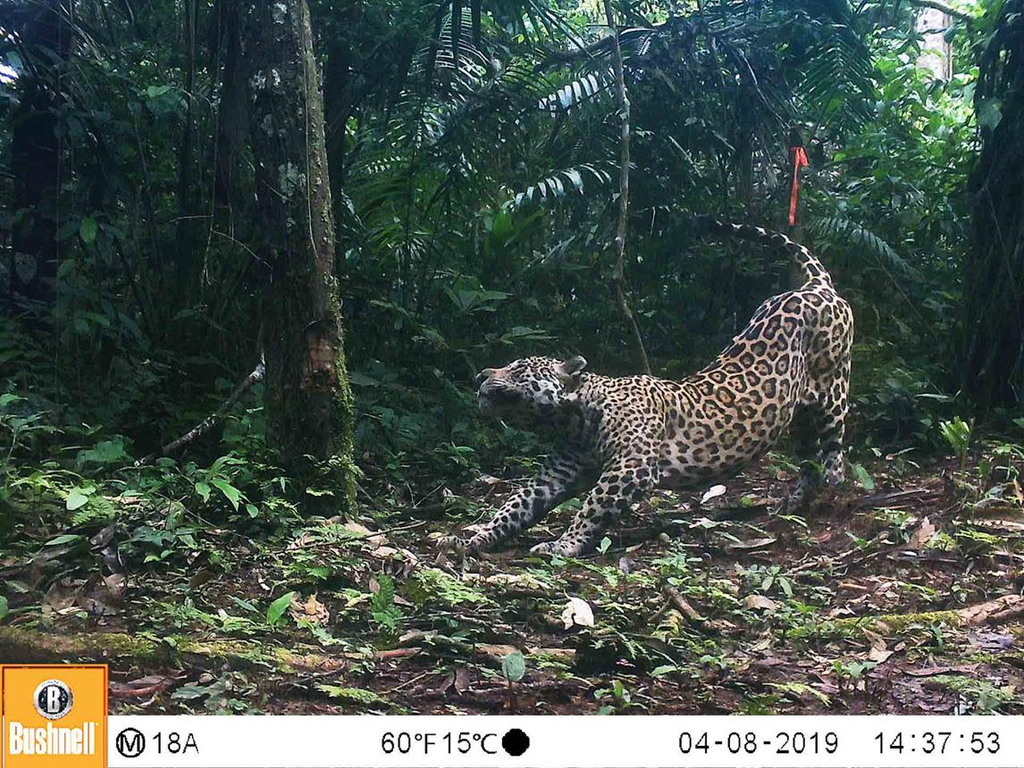
You cannot protect what you cannot understand.
That is why wildlife monitoring has become such an important part of conservation.
Camera traps are small motion-activated cameras that can remain in the forest for long periods. When an animal passes in front of the camera, the device records an image or video.
This allows scientists to study animals without constantly following them through the forest.
Amazon Conservation reports that more than 100 camera traps have been deployed across parts of the western Amazon, producing more than 10,000 photographs and videos involving more than 40 species of mammals and birds.
The images can reveal where animals are living, how frequently they appear and how wildlife populations respond to changes in their habitat.
Sometimes, one photograph can provide valuable evidence that a species is still using an area.
📸 Picture 3: Wildlife camera trap positioned beside an Amazon forest trail.
Alt text: Camera trap monitoring wildlife in the Amazon rainforest
4. Technology Is Giving Conservationists a New Set of Eyes

The Amazon is enormous, and protecting such a huge landscape from the ground alone is extremely difficult.
That is where drones, satellites and remote sensing technology are becoming increasingly useful.
Conservation organizations are using satellite monitoring to identify deforestation and other changes in forest cover. Drones can also help local communities inspect large areas that would otherwise take much longer to survey on foot.
Amazon Conservation’s technology programs combine satellite analysis, drones, camera traps and other tools to improve monitoring and help communities and authorities respond to threats.
The technology itself is not the solution. Its real value comes when people can turn the information into action.
A satellite image can reveal forest loss. A drone can help investigate a location. Local people can then use that information to understand what is happening on the ground.
📸 Picture 4: Conservation worker operating a drone above Amazon rainforest.
Alt text: Conservation worker using a drone to monitor the Amazon rainforest
5. Wildlife Bridges Are Giving Animals a Safer Way Across Roads
Sometimes conservation does not require protecting an enormous new area of forest.
Sometimes it means building a bridge.
In Brazil’s Mato Grosso state, researchers have been testing canopy bridges that allow animals living in trees to cross roads without descending to the ground.
Eight bridges were installed near Alta Floresta in 2024. During the following 15 months, camera traps recorded around 15,000 wildlife crossings, including use by six primate species. No roadkill was recorded at the monitored sites during the study period.
The idea is simple but powerful.
Instead of forcing monkeys and other tree-dwelling animals onto the road, the bridges create a safe route through the canopy.
It demonstrates how relatively small conservation projects can solve very specific problems.
📸 Picture 5: Monkey crossing a rope bridge above a Brazilian Amazon road.
Alt text: Amazon monkey using a wildlife canopy bridge above a road
6. Conservation Is Also About Teaching the Next Generation

Protecting the Amazon cannot depend only on today’s scientists and conservation workers.
Children living in and around the rainforest will eventually become the people making decisions about these landscapes.
That is why environmental education has become part of many conservation programs.
In Ecuador, conservation activities have brought children from Amazonian communities into educational programs focused on understanding local wildlife and the connection between animals, forests and their territories.
One recent program involved children learning about species such as jaguars, harpy eagles, tapirs and other animals associated with Amazon conservation corridors.
These experiences can transform conservation from an abstract environmental topic into something personal.
When a child understands that a forest provides habitat for animals and also supports the community, protecting it can become part of everyday life.
📸 Picture 6: Children learning about Amazon wildlife during an environmental education activity.
Alt text: Children learning about Amazon rainforest wildlife and conservation
7. The Future Depends on Cooperation
Perhaps the most important lesson from current conservation work is that no single organization can save the Amazon alone.
Governments control laws and protected areas. Scientists provide research. Conservation organizations develop projects and technology. Indigenous communities contribute territorial knowledge and leadership. Local residents depend on forests and rivers for their livelihoods.
Successful conservation requires these groups to work together.
Amazon Conservation says its approach combines science, technology, local partnerships and Indigenous leadership. Its alliance across Amazonian countries reports having helped protect more than 14.6 million acres of forest through long-term conservation partnerships.
The challenges remain enormous, but these projects show that conservation is not simply about stopping destruction.
It is also about building better systems for the future.
What a Conservation Documentary Really Shows
A powerful Amazon documentary should not show only beautiful wildlife.
It should show the people behind the protection.
It should show a scientist checking a camera trap before sunrise. A community member examining a drone image. Children learning the names of animals in their forest. A monkey crossing a bridge above a busy road.
These scenes tell a different story about the Amazon.
They show that conservation is not one dramatic event. It is thousands of small decisions repeated over many years.
A protected corridor.
A camera recording a jaguar.
A community monitoring its territory.
A bridge helping a monkey cross a road.
A child discovering why the forest matters.
Each action may seem small on its own, but together they can create something much bigger.
Final Thoughts
The Amazon remains one of the most important wildlife landscapes on Earth, but protecting it requires more than simply declaring forests protected.
The conservation efforts developing across the region show a more connected approach—one that combines science, technology, Indigenous knowledge, education and cooperation.
New corridors can reconnect fragmented habitats. Camera traps can reveal hidden wildlife. Drones and satellites can help detect threats. Canopy bridges can give animals safer routes across roads.
Most importantly, local communities are increasingly becoming part of the conservation story rather than simply observers of it.
The Amazon’s future is still uncertain, but these efforts provide reasons for hope.
The rainforest may be enormous, but its protection begins with individual people, individual communities and individual actions.
And perhaps the most powerful conservation story is not about what we have already saved—it is about what we can still protect.
Image SEO Summary
| Image | Suggested File Name | Alt Text |
|---|---|---|
| 1 | amazon-conservation-corridor.jpg | Connected Amazon rainforest landscape protected for wildlife and local communities |
| 2 | indigenous-amazon-conservation.jpg | Indigenous community members participating in Amazon rainforest conservation |
| 3 | amazon-wildlife-camera-trap.jpg | Camera trap monitoring wildlife in the Amazon rainforest |
| 4 | amazon-conservation-drone.jpg | Conservation worker using a drone to monitor the Amazon rainforest |
| 5 | amazon-wildlife-canopy-bridge.jpg | Amazon monkey using a wildlife canopy bridge above a road |
| 6 | amazon-environmental-education.jpg | Children learning about Amazon rainforest wildlife and conservation |
| 7 | amazon-rainforest-protection.jpg | Conservation landscape protecting Amazon rainforest habitat and wildlife |
Strong Alternative Headline
Saving the Amazon: 7 Powerful Conservation Efforts Giving Rainforest Wildlife a Future
Suggested Featured Image Alt Text
Conservation workers protecting Amazon rainforest habitat and wildlife
Leave a Reply